We all know what pollination is … Mother Nature’s way of making more flowers. She uses a variety of critters to do this. We all know what those critters are: bees, butterflies, a host of beetles, ants, and spiders; even small mammals and birds.
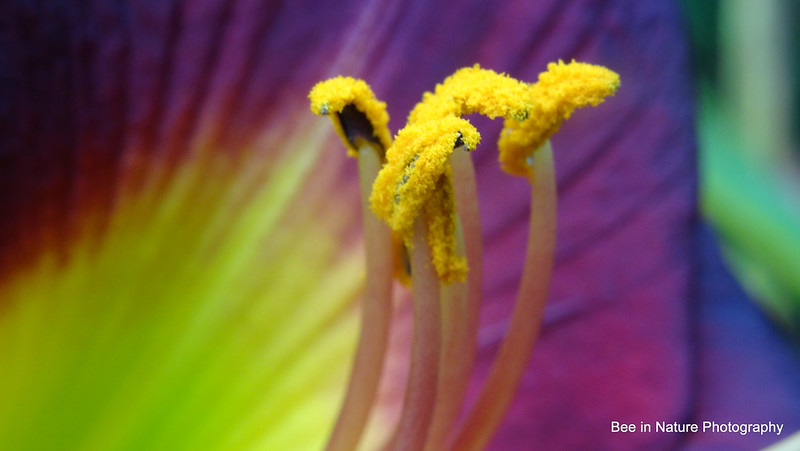
She does that by having small critters move pollen grains from a flower’s male stamen to another flower’s female stigma. Pollen comes from the anther of the stamen. When a bird visits a flower, it must dive deeply into the bloom to get its sweet reward of nectar. As it does this, the flower’s pollen rubs off on the bird’s bill, head, back, or breast and sticks to the bird. When the bird then visits another flower—since each bloom only provides one small sip rather than a full meal—the pollen is transferred to the next flower and the plant is successfully fertilized.
As a result of evolutional asymmetry, certain plants, ornithophiles, and certain birds, nectarivores, attract one another. Studies show that ornithophiles are typically pollinated by nearly twice as much by birds than insects.
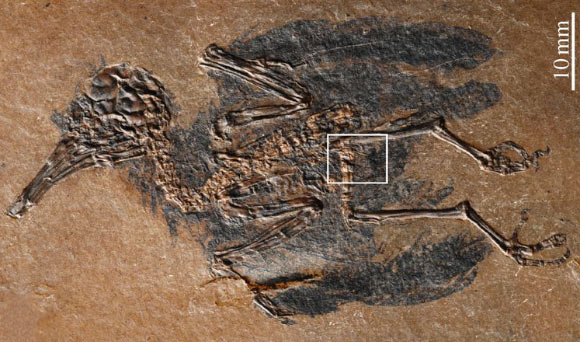
And, this is not a modern occurrence. The fossil of a wren-sized bird with a long slender bill was unearthed at the Messel Pit, a site on the eastern side of the Rhine Rift Valley in Hesse, Germany. Remnants of pollen from two different types of plants were found within the stomach area.
Research has identified in today’s world about 2,000 bird species that assist with pollination. Actually, humans, being obsessed with labels as we are, call this process ornithophily.
So, out of the 11,000 bird species identified, less than 20% are considered nectarivores. The large majority of these we find in tropical and sub-tropical regions.
The three main families are: honey-eaters (Meliphagidae), sunbirds (Nectariniidae), and hummingbirds (Trochilidae).
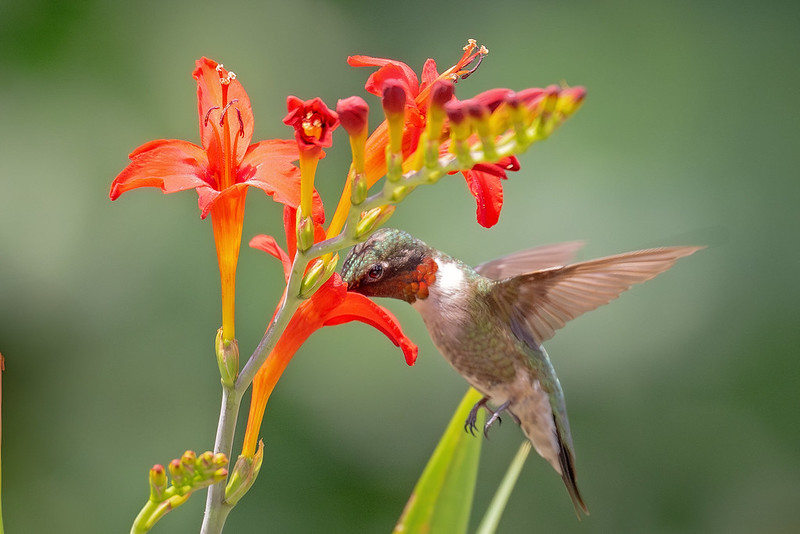
The most common species is the Ruby-throated hummingbird. At 2-1/2 to 3-1/2 inches it beats its wings at more than 50 times per second. That calls for a lot of energy supplied by sweet sugar nectar. The Pineywoods borders the far western edge of it breeding grounds.
However, the Tyler Audubon Society has reported sightings of Black-Chinned and Rufous hummingbirds. The Pineywoods borders the far eastern edge breeding grounds for both.


A couple of others, though not nectarivores, assist in pollination. When Baltimore Orioles (Icterus galbula) return to North America in the spring, they are attracted to nectar feeders and continue to pollinate flowering plants. Unlike hummingbirds, orioles have short beaks and become covered in the sticky flower pollen on their body, like a bumblebee. While they primarily eat insects in the summer months, they switch to eating fruit in the fall, often preferring dark-colored fruits such as native wild black cherries and blackberries.
Again, if you go a bit south and west, you will find white-winged doves. A notable pollinator of the desert, they are also found in a variety of other habitats, including native brushlands in Texas, farmlands, suburbs, and open oak woods. Tyler Audubon Society reports sightings of these as well.
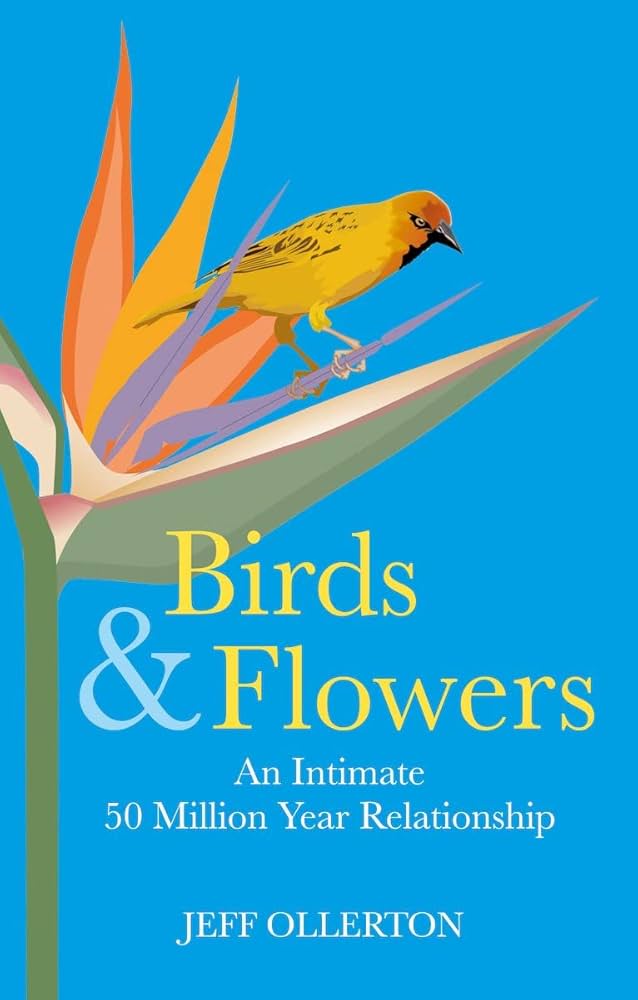
Should you have an interest in bird nectarivores, get Jeff Ollerton’s book: Birds & Flowers An Intimate 50 million Year Relationship (Pelagic Publishing, 2024). This provides a detailed look at the three Nectarivore families from a science perspective.
If you’re interested in drawing pollinating birds to your garden, choose flowers with characteristics that appeal to them: tubular shapes with petals that curve back; bright colors, especially red for hummingbirds; a place to perch; and, odorless. The flowers that birds come to for feeding are open during the day.
Examples of bird-pollinated flowers native to the Pineywoods include: cardinal flower, coral honeysuckle, zinnia, butterfly weed, and bee-balm. These are only a few. For a deep dive into native plants for pollinators see the list as follows:
https://www.fs.usda.gov/wildflowers/pollinators/animals/birds.shtml Bird Pollination from USFS
Pollinator Partnership https://pollinator.org/guides_code?c=75703
Chicago Botanic Garden plant guide https://budburst.org/plants
Natural Resources Conservation Service https://www.nrcs.usda.gov/plantmaterials/etpmcbr14073.pdf
Lady Bird Johnson Wildflower Center https://www.wildflower.org/collections/

 Wade Village